Investing in Sustainability: How UK Companies are Adapting their Investment Strategies for a Green Future
The Shift Towards Sustainable Investment
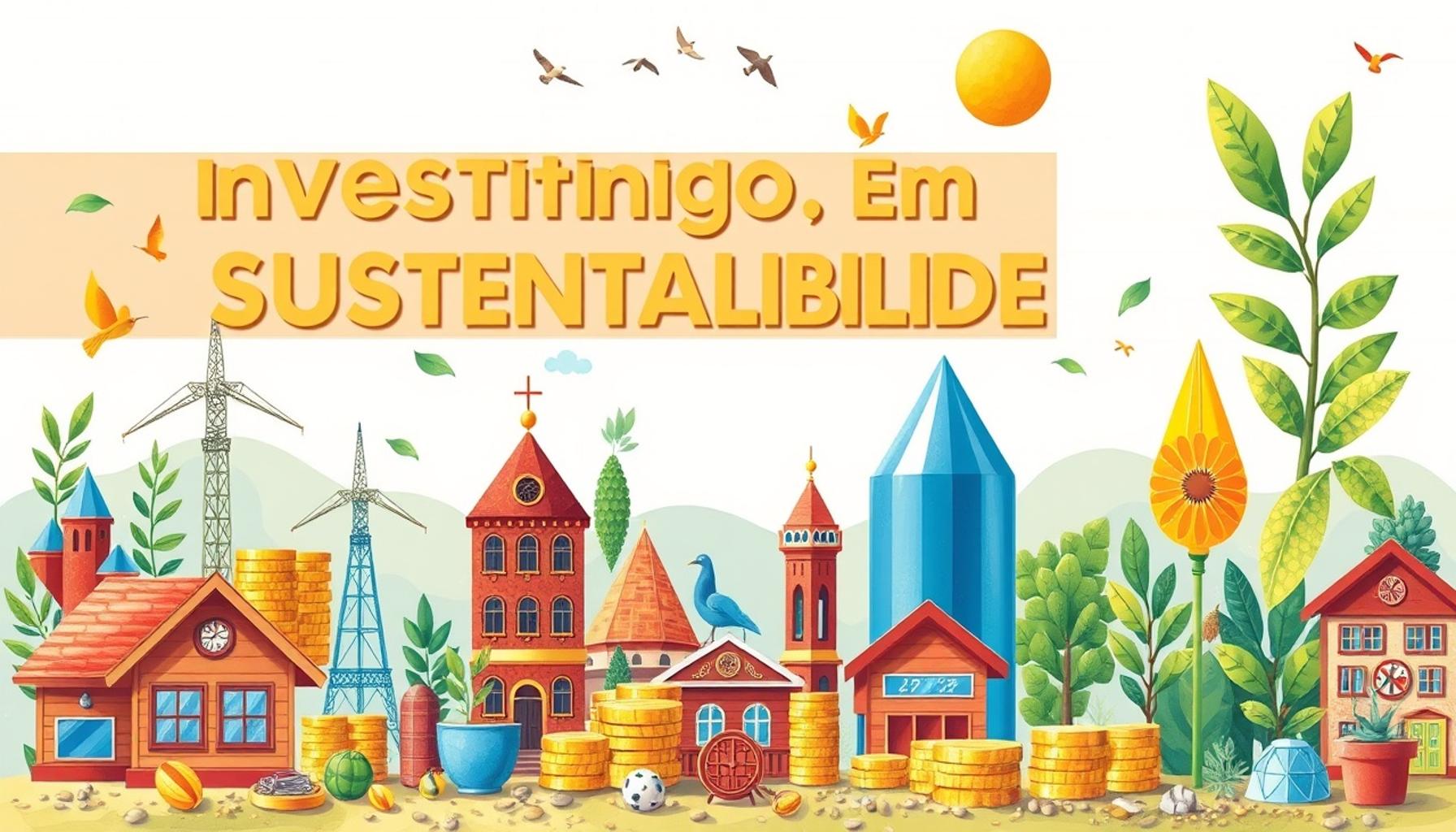
The concept of sustainability is becoming a central focus for many businesses in the UK, leading to a significant transformation in investment strategies. The shift towards environmentally friendly practices is not merely a trend; it represents a fundamental change in how companies view their roles in society and the economy.
Green Bonds are one of the key instruments being utilised to promote sustainability. These are fixed-income securities issued by companies, municipalities, or governments specifically designed to raise funds for projects that have positive environmental impacts. For example, the London City Airport recently issued green bonds to finance its terminal improvements aimed at reducing carbon emissions. Such initiatives illustrate how financial instruments can directly contribute to the advancement of sustainable projects while providing investors a means to support environmental goals.
Another important development is the incorporation of Environmental, Social, and Governance (ESG) Criteria into investment decisions. ESG criteria help to evaluate a company’s resilience to long-term, industry material environmental and social risks. For instance, UK-based fund managers may choose to invest in firms that have robust policies for reducing carbon footprints, ensuring fair labor practices, and maintaining transparent governance structures. Implementing these criteria can lead to more informed decision-making, aligning financial returns with ethical considerations.
Renewable Energy Investments represent a growing area of focus. Companies are increasingly investing in solar and wind power to not only reduce reliance on fossil fuels but also to take advantage of the economic benefits associated with these emerging technologies. For example, British energy companies like Ørsted have shifted from fossil fuel dependency to becoming leaders in offshore wind energy production, reflecting a broader trend within the industry.
This shift towards sustainability is driven by more than just ethical concerns; there are tangible economic opportunities at stake. Studies show that sustainable investment strategies can provide competitive returns, appealing to both profit-driven and socially conscious investors. Companies that adapt to these trends may find themselves better positioned in a rapidly evolving market, aligning with growing consumer expectations and meeting increasingly stringent regulations.
As businesses navigate this new landscape, it is crucial for investors to understand the key drivers influencing these corporate changes. Government Policies, such as the UK’s commitment to achieving net-zero carbon emissions by 2050, play a significant role in directing investments towards greener projects. These policies create a framework within which companies are encouraged to innovate and prioritize sustainability in their operations.
Additionally, consumer preferences are shifting as shoppers demonstrate a growing inclination towards products and services from environmentally responsible brands. A survey by Mintel highlighted that over half of UK consumers are willing to pay more for sustainable products, indicating a substantial market incentive for businesses to adopt sustainable practices. Lastly, global climate agreements, such as the Paris Agreement, exert pressure on companies to reinvent themselves to comply with international standards and commitments.
In conclusion, as we explore how UK companies are making the transition towards sustainability-focused investments, it becomes clear that understanding these evolving strategies is essential for investors. By becoming informed, they can make decisions that are not only beneficial for their portfolios but also supportive of a sustainable future.
DISCOVER MORE: Click here to learn about the impact of cryptocurrencies on SMEs
Transforming Investment Approaches
As the urgency for sustainable practices grows, UK companies are not just making superficial changes; they are fundamentally transforming their investment approaches to align with sustainability goals. This transformation is not limited to just a few leading firms; it is becoming a widespread movement across various sectors, driven by both market demand and regulatory pressures.
One major trend emerging is the rise of impact investing. This investment strategy seeks to generate measurable social and environmental benefits alongside financial returns. Investors are increasingly looking for opportunities that yield positive impacts, such as reducing waste or increasing energy efficiency. For example, funds that focus on sustainable agriculture are gaining traction, as they not only promise financial returns but also contribute to the health of the planet by promoting sustainable farming practices.
Sustainable Supply Chains are also becoming a focal point for UK businesses. Companies are reassessing their supply chains to reduce their environmental footprints and ensure ethical sourcing of materials. This can involve transitioning to suppliers who adhere to environmentally friendly practices or implementing measures to limit carbon emissions throughout the supply chain. Marks & Spencer, a prominent UK retailer, has committed to sourcing 100% of its cotton from more sustainable sources, clearly showcasing how commitment to sustainability is intertwined with investment strategy.
To further illustrate the shift in investment strategies, consider the following key areas where UK companies are focusing their sustainability efforts:
- Energy Efficiency: Investment in technologies that reduce energy consumption and operational costs.
- Circular Economy Practices: Engaging in initiatives that promote recycling and resource efficiency, ensuring that products are designed for reuse.
- Carbon Neutrality Goals: Emphasising investments aimed at offsetting carbon emissions through reforestation, renewable energy projects, or carbon credits.
Moreover, innovative technologies are gaining attention as companies explore solutions that facilitate their moves toward sustainability. Businesses are investing in technologies such as artificial intelligence and blockchain to enhance transparency, optimize processes, and make more informed decisions related to sustainability. These technologies can play a vital role, allowing firms to track their environmental impacts more accurately and manage resources more efficiently.
As businesses incorporate these sustainable practices into their investment strategies, they not only cater to the evolving market but also position themselves for long-term resilience. The future of investment is shifting towards accountability, as companies understand that sustainability does not just bear ethical responsibility; it also drives economic value and fosters customer loyalty.
Through these evolving strategies, UK companies are demonstrating that a commitment to sustainability is an integral part of building a thriving business in today’s world. Understanding these shifts is essential, not only for investors seeking profitable opportunities but also for anyone interested in supporting a cleaner, greener future.
DISCOVER MORE: Click here to learn how to apply
Strategic Partnerships and Collaborations
Another significant trend in the sustainability investment landscape is the formation of strategic partnerships and collaborations. UK companies are increasingly recognising that collaborative efforts can enhance their sustainability initiatives and drive impactful change beyond their organisational boundaries. By partnering with NGOs, academic institutions, and other businesses, companies can leverage shared expertise and resources to amplify their sustainability outcomes.
For instance, the partnership between Unilever and the NGO Oxfam focuses on improving sustainable farming practices and increasing the resilience of smallholder farmers in developing countries. This collaboration not only aids Unilever in securing sustainable raw materials but also contributes to the economic empowerment of communities, thereby fulfilling its commitment to sustainability on a global scale. These partnerships are crucial as they provide companies with valuable insights and innovative solutions that may not be accessible in-house.
Investing in Renewable Energy
The transition to a low-carbon economy has placed a spotlight on the need for investments in renewable energy. UK companies are taking proactive steps to reduce their dependence on fossil fuels and invest in renewable energy sources, such as solar, wind, and biogas. This shift is not only compliant with government policies but also aligns with consumer expectations for cleaner energy options.
For example, Ørsted, originally focused on fossil fuels, has transformed into a renewable energy leader by investing heavily in offshore wind farms. This strategic pivot has not only increased its profitability but has also made it a case study for businesses aiming to pivot towards more sustainable operations. The UK government’s aim to generate 70% of electricity from renewable sources by 2030 further enhances the business case for such investments, making them both a responsible choice and a smart economic strategy.
Regulatory Compliance and Future-Proofing
As sustainability becomes increasingly important on a global scale, UK companies are also obliged to consider regulatory compliance in their investment strategies. The government’s Net Zero strategy outlines pathways for significant emissions reductions, and many companies are finding that investing in sustainable practices not only helps meet these regulatory requirements but also future-proofs their operations against potential legislation changes.
Within this context, numerous firms are investing in energy audits and carbon footprint assessments. These initiatives provide valuable data that guide businesses in optimising their operations for lower emissions and greater resource efficiency. Businesses such as Tesco have set ambitious targets to achieve net-zero carbon emissions by 2050, underscoring the importance of strategic foresight in sustainability investments.
Consumer Behaviour and Brand Loyalty
Finally, businesses are increasingly acknowledging the connection between sustainability and consumer behaviour. Modern consumers are more informed and concerned about the environmental impacts of their purchasing decisions. This shift presents a compelling incentive for companies to embed sustainability within their investment strategies as a way to enhance brand loyalty and attract eco-conscious customers.
Companies like Patagonia have thrived by positioning themselves as environmentally responsible brands. By investing in sustainable materials and transparent supply chains, they not only align with customers’ values but also build a strong community of brand advocates dedicated to a common cause. This not only drives sales but fosters a culture of sustainability within the market itself.
Overall, the strides made by UK companies reflect a deep understanding of the need to align profit with purpose. As these organisations continue to adapt their investment strategies, they pave the way for a sustainable, thriving economy that benefits not only shareholders but also society at large.
LEARN MORE: Click here to dive deeper
Conclusion
In conclusion, the move towards sustainability represents not just a trend but a profound shift in how UK companies are redefining their investment strategies. By embracing sustainability, firms are recognising the interconnectedness of environmental stewardship, social responsibility, and economic viability. Companies that have taken proactive steps—such as investing in renewable energy, forming strategic partnerships, and focusing on regulatory compliance—are paving the way towards a resilient and sustainable future.
The evolving landscape of consumer behaviour reflects a growing awareness and demand for greener practices, compelling brands to adapt or risk losing relevance. The success stories of organisations like Unilever and Ørsted illustrate that sustainable initiatives can lead to enhanced profitability and brand loyalty when aligned with consumer values. Moreover, with regulations tightening around carbon emissions and sustainability reporting, future-proofing through strategic investments has become imperative.
As we look to the future, UK companies must continue to innovate and collaborate to drive impactful change. By integrating sustainability into their core business models, they not only contribute to mitigating climate change but also foster a thriving economy that prioritises the well-being of both people and the planet. The challenge is significant, yet the potential rewards tend to outweigh the risks, offering a pathway towards a more sustainable and prosperous future.

Linda Carter
Linda Carter is a writer and financial expert specializing in personal finance and financial planning. With extensive experience helping individuals achieve financial stability and make informed decisions, Linda shares her knowledge on our platform. Her goal is to provide readers with practical advice and useful strategies for saving money, managing budgets, and building long-term financial success.