Sustainability and Innovation: How British Companies Are Transforming the Energy Sector
The UK’s Evolving Energy Landscape
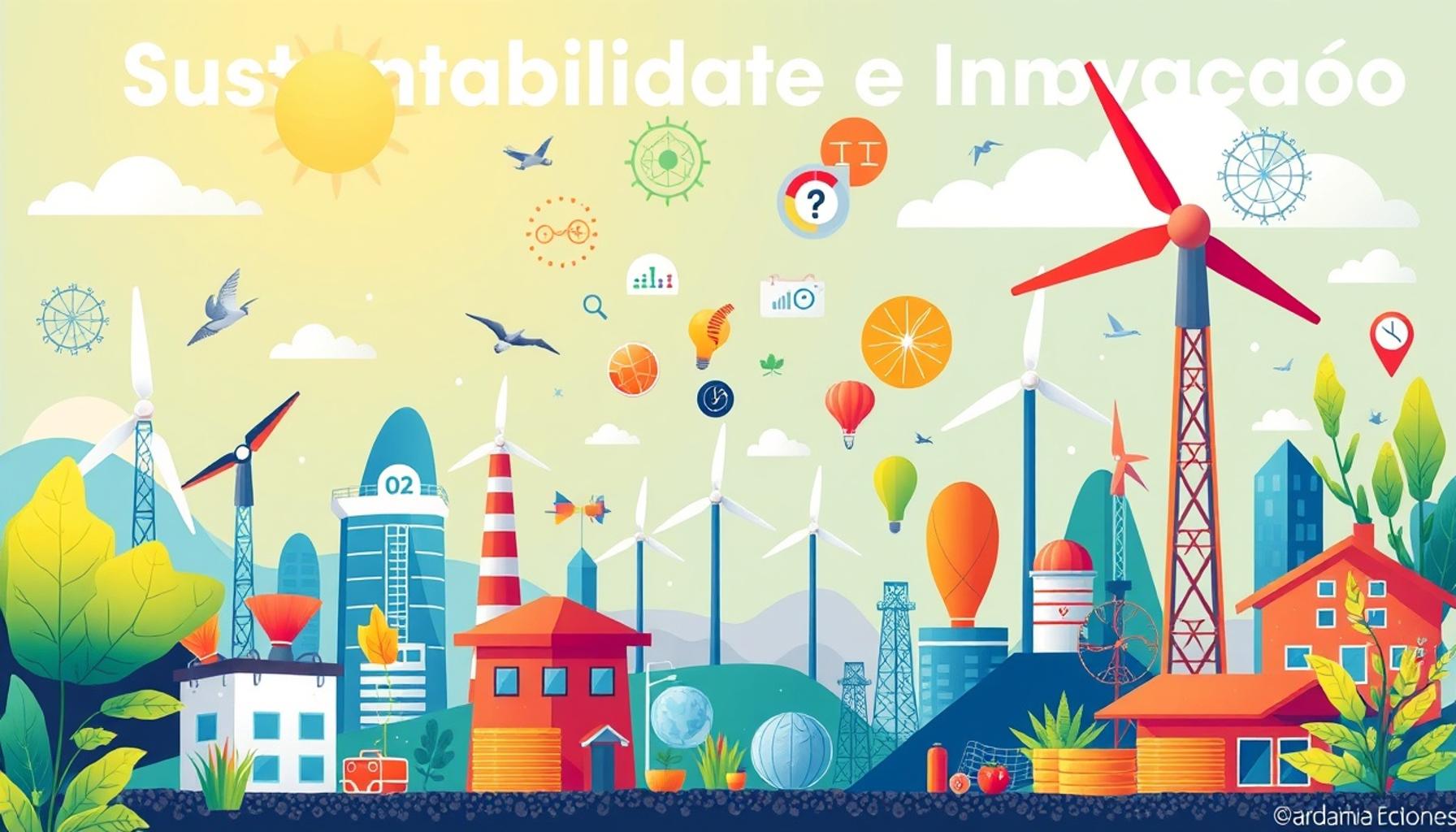
The energy sector in the UK is witnessing an extraordinary transformation, primarily fueled by a strong emphasis on sustainability and innovation. As the impacts of climate change become increasingly apparent, British companies are making significant strides to mitigate their environmental footprint while transitioning to renewable energy sources. This monumental shift is crucial for creating a greener, more sustainable future for generations to come.
Several key drivers are propelling this transformation:
- Investment in Renewable Energy: There has been a surge in investments towards renewable energy, particularly in solar, wind, and hydroelectric power. For instance, the UK is home to some of the largest offshore wind farms in the world, which harness wind energy to provide clean electricity to millions of homes.
- Technological Advancements: Innovations in energy technologies, such as energy storage solutions like batteries and smart grids, are enhancing the efficiency and reliability of energy systems. These technologies allow for the better integration of renewable resources, ensuring a stable energy supply even when the sun isn’t shining or the wind isn’t blowing.
- Government Policies: Supportive legislation, such as the UK’s commitment to reducing carbon emissions to net-zero by 2050, is compelling businesses to adopt more eco-friendly practices. Financial incentives, grants, and a clear regulatory framework are also encouraging the shift towards renewable energy.
Several British companies are at the forefront of this sustainable energy revolution, implementing successful strategies that are paving the way for a cleaner future. Here are a few noteworthy examples:
- Ørsted: Originally founded as a fossil fuel company, Ørsted has reinvented itself as a global leader in offshore wind farms, aiming for zero carbon emissions. Its transformation is a prime example of how traditional energy companies can successfully pivot to sustainable practices.
- Octopus Energy: This innovative renewable energy provider is disrupting conventional energy markets by leveraging cutting-edge technology. Octopus offers customers genuinely green energy and has introduced smart tariffs that respond to real-time energy costs, helping to create more energy-efficient homes.
- BP and Shell: Well-known as traditional oil giants, both BP and Shell are diversifying their portfolios by investing heavily in renewable energy projects. They are actively developing solar and wind projects and have dedicated substantial resources to explore new energy technologies, such as hydrogen and biofuels.
As these companies lead the way in adopting sustainable practices, they not only contribute to the UK’s environmental goals but also create new avenues for economic growth and job creation in the burgeoning green sector. Understanding these developments is essential for anyone interested in the future of the energy industry. The ongoing commitment to cleaner energy not only supports the environment but also fosters innovation and resilience in the economy.
DON’T MISS OUT: Click here to discover how to apply
Pioneering Sustainable Practices in the Energy Sector
British companies are not only adjusting their operational frameworks but are also integrating sustainability into the core of their business models. This transition signifies more than just environmental responsibility; it represents a substantial shift in how energy is produced, distributed, and consumed across the nation. Let’s explore some of the ways these innovative approaches are reshaping the energy landscape in the UK.
Collaboration and Partnership
One of the most effective strategies that British energy companies are employing is the formation of collaborative partnerships. By working together, businesses can pool resources, share expertise, and expedite the development of sustainable technologies. For instance, companies like Scottish Power and Siemens Gamesa have joined forces on various renewable projects that have led to breakthroughs in wind turbine technology. Their collaborative efforts have not only improved efficiency but also reduced costs associated with renewable energy production.
Investment in Research and Development
An essential element driving innovation in the UK energy sector is the focus on research and development (R&D). Firms are increasingly dedicating substantial portions of their budgets to R&D projects aimed at discovering new technologies capable of transforming energy generation and consumption. For example:
- Carbon Capture Technology: Companies like Drax are investing in carbon capture and storage (CCS) technologies, which aim to trap carbon dioxide emissions from energy production and store them underground. This process mitigates climate change impacts while still allowing for the use of traditional energy sources during the transition phase.
- Hydrogen Production: Several businesses are looking into green hydrogen as a clean energy source. Companies such as ITM Power are working on technologies that produce hydrogen from renewable energy sources, providing a potential solution for energy storage and fuel for transport.
- Smart Energy Systems: The development of smart technology in home energy systems is another area of focus. Companies like Grid Edge are creating platforms that allow consumers to manage their energy consumption more efficiently, leading to conservation and cost savings.
This dedication to R&D is not just about keeping pace with global trends; it is about establishing the UK as a leader in energy innovation. By prioritising sustainable practices, businesses not only fulfil their environmental obligations but also capitalise on new market opportunities.
Consumer Engagement and Education
For the transformation of the energy sector to be truly effective, consumer engagement is essential. British companies are increasingly taking steps to educate customers about the importance of sustainability and how they can contribute to it. Initiatives such as community solar projects allow individuals and local businesses to invest in renewable energy, which builds awareness and transforms the way energy is viewed in everyday life.
For example, Pure Planet offers 100% renewable energy and engages customers with educational resources about energy usage, effectively empowering them to make informed decisions. Such initiatives foster a deeper connection between consumers and providers, which is crucial for driving the adoption of sustainable energy practices.
In summary, the UK energy sector’s transformation towards sustainability is a multifaceted approach that involves collaboration, innovation, and consumer engagement. As companies navigate this evolving landscape, their efforts are setting the foundation for a cleaner, greener future while illustrating how innovation can lead to meaningful economic opportunities.
DISCOVER MORE: Click here for details on applying for a balance transfer
Harnessing Technological Advancements
Technological advancement is at the forefront of transforming the UK’s energy sector. Companies are deploying cutting-edge solutions to improve efficiency, reduce emissions, and enhance the reliability of renewable energy sources. This is pivotal in addressing the dual challenge of meeting energy demands while promoting sustainability. Let’s delve into some key technologies making waves in the industry.
Decentralised Energy Generation
One significant trend is the rise of decentralised energy systems, where energy generation occurs closer to the point of consumption. This shift reduces transmission losses and enhances energy security. For instance, the implementation of microgrids has gained traction across the UK. These small-scale energy networks can operate independently and can generate power from local renewable sources such as solar panels and wind turbines. Companies like Octopus Energy are leading the charge by enabling communities to harness their resources, further reducing their carbon footprint while fostering energy independence.
Blockchain in Energy Trading
Moreover, British companies are also harnessing blockchain technology to create more robust and transparent energy trading systems. Blockchain offers a secure platform for tracking energy transactions, ensuring that consumers can buy and sell renewable energy directly, which facilitates peer-to-peer trading. This approach encourages more participation from consumers and promotes a more sustainable energy ecosystem. For example, companies such as Power Ledger are pioneering blockchain-based solutions that empower individuals to trade excess renewable energy easily, directly connecting producers with consumers and creating a more sustainable energy system.
Battery Storage Innovations
As the unpredictability of renewable energy sources poses challenges in supply and demand management, advancements in battery storage technology have become paramount. Companies like Recharge Industries are investing heavily in next-generation battery technologies that not only enhance the capacity to store energy but also extend the lifespan of these batteries. Innovations in lithium-ion and solid-state batteries are crucial for storing energy generated during peak production times for later use, ensuring a consistent energy supply even when generation is low. This capability is particularly vital for integrating renewable energy sources into the grid and maximising their potential.
Artificial Intelligence and Data Analytics
Furthermore, the role of artificial intelligence (AI) and data analytics is rapidly expanding within the energy sector. By leveraging AI, companies can optimise energy production and consumption patterns, leading to significant cost savings and increased efficiency. For instance, firms like Grid Edge employ AI to analyse energy consumption data, allowing businesses and households to modify their energy behaviours strategically. By using predictive analytics, energy providers can anticipate demand fluctuations and adjust supply accordingly, reducing waste and ensuring a more resilient energy infrastructure.
These technological advancements underline a pivotal transformation in the British energy landscape—a transition that not only aims for sustainability but also drives economic growth and innovation. As these initiatives continue to evolve, they help position the UK as a beacon of sustainability within the global energy sector.
DISCOVER MORE: Click here for details on applying for a Santander personal loan
Conclusion
The convergence of sustainability and innovation is profoundly reshaping the energy landscape in the UK. As British companies embrace decentralised energy generation, they empower communities to produce their own renewable energy, demonstrating a commitment to both reducing carbon emissions and enhancing energy security. The integration of blockchain technology not only fosters transparency in energy trading but also democratises energy access, allowing consumers to actively participate in the energy market.
Moreover, breakthroughs in battery storage technologies are pivotal in addressing the intermittency of renewable energy sources, ensuring that energy supply meets demand even during low generation periods. This technological advancement is crucial as it aids in creating a more reliable energy grid capable of supporting the UK’s ambitious sustainability goals. Additionally, the application of artificial intelligence and data analytics streamlines energy management, optimising consumption patterns and significantly enhancing efficiency.
Together, these innovations underscore the potential for British companies to lead the charge in creating a sustainable energy system that not only meets the current needs of consumers but also safeguards the environment for future generations. As this transformation continues, it sets a powerful example for other nations, proving that sustainability and economic growth can go hand in hand. Ultimately, the UK’s commitment to pioneering solutions in the energy sector not only lays the groundwork for a greener future but also positions the country as a global leader in the transition towards sustainable practices.