Trends in Augmented and Virtual Reality for the Future of Entertainment
Introduction to the Evolving Landscape of Entertainment
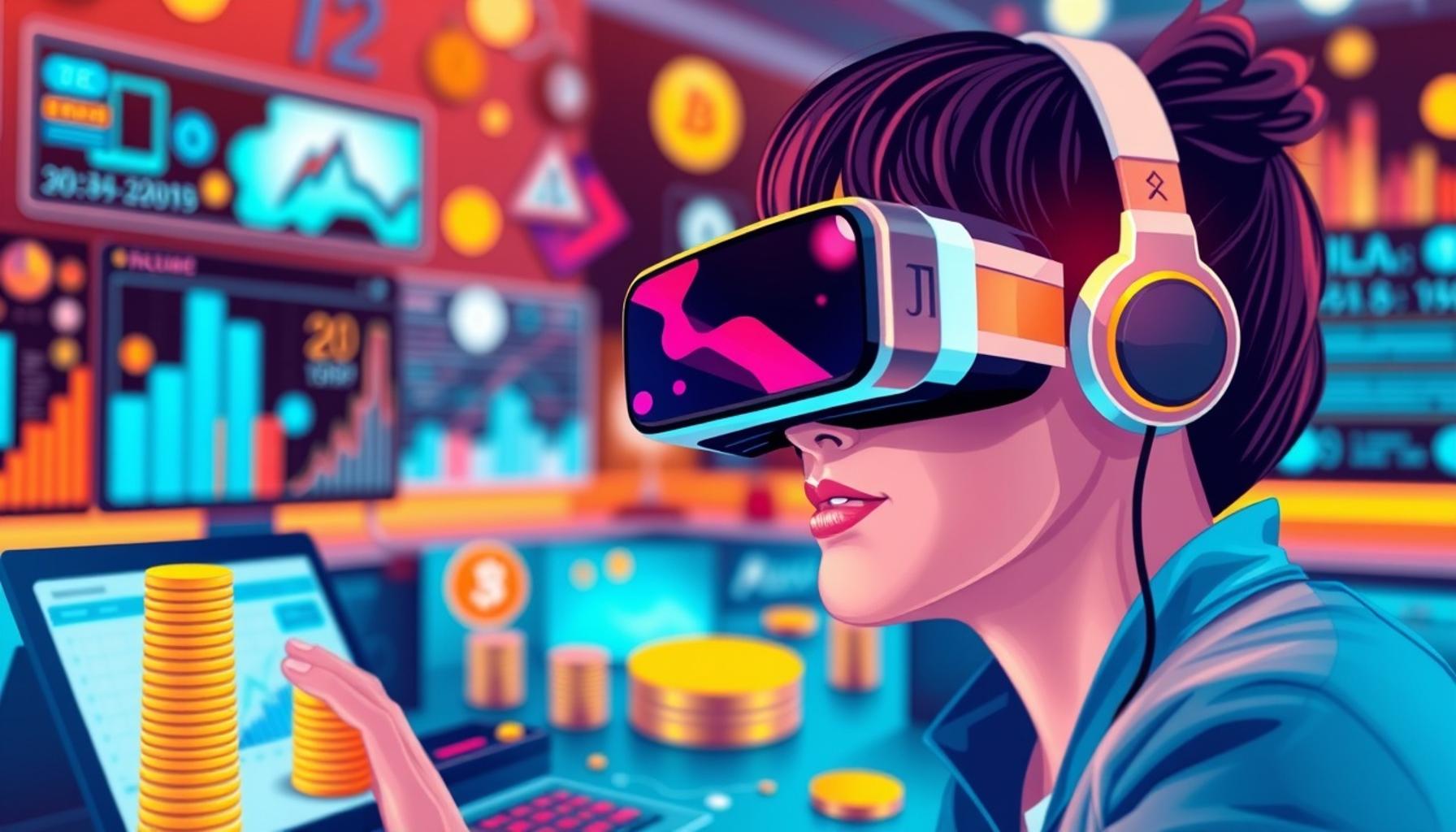
The world of entertainment is undergoing seismic shifts, primarily fueled by technological advancements. Among the most profound developments are Augmented Reality (AR) and Virtual Reality (VR), two cutting-edge technologies that are revolutionizing how audiences consume and interact with content. As these technologies become increasingly accessible and affordable, they are setting the stage for a future where entertainment experiences are not only immersive but also interactive and engaging.
Several key trends are emerging in AR and VR that are poised to transform the entertainment industry:
- Gaming Revolution: VR technology is redefining the gaming world by allowing players to immerse themselves in lifelike environments. Platforms such as the Oculus Quest and PlayStation VR provide gamers with unprecedented realism as they can physically move through their virtual surroundings. For instance, games like “Beat Saber” and “Half-Life: Alyx” not only challenge players intellectually but also demand physical engagement, enhancing the overall experience.
- Enhanced Storytelling: AR enables users to experience narratives in dynamic new ways. Applications like “Pokémon GO” have captured widespread attention by blending the physical world with digital creatures, encouraging players to explore their surroundings. This approach can provide a more engaging way to tell stories, whether enhancing a movie’s plot with background lore or creating immersive scavenger hunts that deepen audience involvement.
- Social Interactions: With technology facilitating virtual meetups and events, people can connect as if they were in the same room, regardless of geographical distances. Apps like VRChat and AltspaceVR create spaces where friends can gather, socialize, and even attend concerts or events together. This virtual interaction mimics the benefits of in-person gatherings, allowing users to form connections and share experiences, albeit through a digital lens.
- Training and Education: AR and VR are proving invaluable in professional training and education. Industries like healthcare are utilizing simulations for surgical training, allowing medical students to practice in a risk-free virtual environment. Moreover, VR platforms are being used in classrooms to provide students with experiential learning opportunities, such as virtual field trips through historical sites or inner workings of the human body. These applications not only enhance knowledge retention but also prepare students more effectively for real-world scenarios.
These trends exemplify the incredible potential of immersive technologies and their capacity to bridge the gap between physical and digital experiences. As developers continue to innovate, audiences can expect a significant increase in the diversity and quality of AR and VR experiences that cater to varied interests and age groups.
In the sections that follow, we will delve deeper into each of these trends. By doing so, we aim to provide a clearer understanding of how AR and VR are poised to shape the future landscape of entertainment, making it richer and more multifaceted than ever before.
LEARN MORE: Click here for effective budgeting tips
The Gaming Revolution: Immersing Players in New Realities
The gaming industry stands at the forefront of the AR and VR movement, fundamentally transforming how games are played and experienced. In the past decade, we have witnessed the shift from traditional gaming platforms to immersive environments that engage players on multiple sensory levels. VR technology, in particular, allows gamers to step inside rich, three-dimensional worlds where they can interact with the environment and the narrative in a way that was previously unimaginable.
One of the most significant advancements in VR gaming is the development of headsets that provide high-definition visuals and spatial audio, creating a sense of presence as if the player were truly part of the game. Devices like the Oculus Quest 2 offer wireless gameplay along with motion tracking, allowing players to move freely while navigating through various gaming scenarios. Games such as “Half-Life: Alyx” not only offer gripping stories but also leverage hand-tracking technology to let gamers pick up objects, solve puzzles, and engage in combat, fundamentally redefining gameplay mechanics.
Moreover, the rise of multiplayer VR games is fostering a sense of community and collaboration among players. Titles like “Rec Room” allow users to create avatars and interact within a virtual space, playing games, socializing, or even creating their mini-games. This convergence of social interaction and gaming is an exciting development, acknowledging the importance of community in enhancing the overall gaming experience.
Enhanced Storytelling: Blending Reality and Fantasy
As audiences seek richer narratives, AR technology plays a crucial role in making storytelling more interactive and engaging. By integrating digital elements into the physical environment, AR breathes new life into traditional storytelling methods. A prime example is the phenomenon of “Pokémon GO.” Released in 2016, this game introduced players to a world where they could catch virtual creatures as they explored their neighborhoods, effectively blending the digital with the physical. The game’s success not only highlights the potential of AR in changing how we perceive and interact with stories but also sparks a movement towards location-based experiences in entertainment.
Additionally, AR offers the opportunity to enhance cinematic experiences. Imagine sitting in a theater and being able to interact with characters or view extra scenes through an AR app on your smartphone. This could provide audiences with a much deeper understanding of characters, backstories, and plot development, creating a multi-layered experience that encourages active participation over passive observation.
As developers continue to experiment with immersive technologies, the possibilities for enhancing storytelling are boundless. The key lies in creating seamless integrations that enrich narratives while maintaining the user’s sense of presence and engagement.
Social Interactions: Building Community in Virtual Spaces
In a world increasingly defined by digital connections, AR and VR are paving the way for new social interactions that mimic, and often enhance, real-world experiences. Virtual spaces like VRChat and AltspaceVR are incredibly popular as they allow individuals to connect and interact with others in a shared virtual environment. Users can create their avatars and build social bonds, attend events, or simply hang out with friends, transcending geographical barriers.
Such platforms have gained traction, particularly during the COVID-19 pandemic, when people were limited in their ability to socialize in person. Virtual concerts, gaming tournaments, and art exhibitions have emerged as viable alternatives, offering communal experiences that cater to diverse interests. As these technologies evolve, we may see increasingly sophisticated social features, enhancing collaboration and connection amongst users.
Overall, these gaming revolutions, innovative storytelling strategies, and dynamic social interactions underscore the transformative impact of AR and VR on the entertainment landscape. As we delve deeper into these trends, the future of entertainment appears more immersive and interconnected than ever before.
DISCOVER MORE: Click here to learn about fundamental analysis
Transformative Experiences: Virtual Travel and Simulated Adventures
Another exciting frontier within the realm of augmented and virtual reality is the emergence of virtual travel experiences. With technology that allows individuals to explore different locations without leaving their homes, VR is redefining the notion of travel and tourism. Imagine donning a VR headset and instantly being transported to the streets of Tokyo, the canals of Venice, or even the Great Barrier Reef, all from the comfort of your living room. This capability is particularly valuable for people who may have mobility restrictions, budget constraints, or time limitations that hinder them from traveling physically.
Several companies are already pioneering virtual travel experiences. For instance, Wander utilizes Google Earth’s technology to offer scenic explorations of destinations, while Immerse offers guided tours of historical landmarks led by knowledgeable virtual tour guides. These platforms not only provide a sense of place and culture but also stimulate curiosity and inspire future trips. By immersively engaging travelers in a virtual environment, users can preview experiences and possibly make more informed decisions about their destinations.
Educational Opportunities: Learning Through Immersion
Beyond gaming and entertainment, augmented and virtual reality are becoming increasingly important in the educational sector. These technologies offer innovative methods for presenting complex concepts in accessible, engaging formats. For instance, VR can transport students into a historical event, while AR can visualize intricate processes, such as anatomical functions in medicine or molecular structures in chemistry. Imagine anatomy students donning a headset to conduct virtual surgeries on realistic 3D models; this kind of interactive learning strengthens comprehension and retention of information.
Schools and universities are already beginning to integrate AR and VR into their curricula. The Holodeck, for example, is a software that allows students to explore lifelike environments tailored to their subjects of study. In science classes, students might perform experiments in safe virtual labs, while language learners can practice dialogues in virtual scenarios that emulate real-world interactions. By allowing students to engage with lessons actively, these technologies foster a more impactful educational experience.
The Rise of Immersive Content Creation: Empowering Creators
As AR and VR technologies evolve, so too does the potential for content creation. With more accessible tools and platforms available, creators from various backgrounds are finding fresh, innovative ways to tell their stories. For example, platforms like Quill and Tilt Brush allow users to paint and create 3D art in virtual space, merging artistic expression with technology. Such applications empower artists to step out of traditional mediums and experiment with their creativity in unprecedented ways.
This trend extends beyond visual arts to include immersive audio experiences and narratives. Developers and storytellers can craft interactive films where viewers make choices that affect the story’s outcome, similar to “Bandersnatch” from the “Black Mirror” series. As audiences increasingly seek personalized content, the demand for innovative storytelling methods using AR and VR will continue to rise, creating opportunities for creators to engage audiences in novel ways.
In addition, the integration of user-generated content in AR and VR environments will likely become a significant trend. Platforms that encourage users to contribute their experiences, whether through VR tourism, educational projects, or collaborative games, will harness collective creativity, leading to a diverse array of narratives and experiences that resonate on various levels.
The expansion of virtual travel, immersive learning environments, and creative content generation showcases the versatility of augmented and virtual reality technologies. As these trends continue to unfold, they will undoubtedly shape the future landscape of entertainment, making it more inclusive, varied, and engaging for users across the globe.
DON’T MISS OUT: Click here to learn how to apply for the Capital One Venture X credit card</p
Conclusion: The Future of Engaging Experiences
As we navigate the evolving landscape of entertainment, augmented and virtual reality technologies stand at the forefront, promising a transformative shift in how we experience content. The emergence of virtual travel experiences, for instance, is opening up new avenues for exploration and cultural exchange, granting access to destinations that might have previously seemed out of reach. This not only enhances the concept of travel but also inclusively caters to individuals with varying abilities and constraints.
Moreover, the integration of AR and VR into education illustrates another crucial aspect of these technologies. By offering immersive learning experiences, students engage with their studies in ways that foster deeper understanding and retention. This innovative approach will likely shape the future of teaching, creating a generation of learners who are both informed and inspired.
Additionally, the rise of immersive content creation empowers creators across diverse fields, enabling them to express themselves in compelling, interactive ways. As audiences demand richer narratives and dynamic experiences, platforms that foster user-generated content will play a pivotal role in cultivating a creative, collaborative environment.
In conclusion, as we embrace these advancements, it is clear that augmented and virtual reality are not merely trends but pivotal components shaping the future of entertainment. With ongoing development, these technologies promise to enhance accessibility, education, and creativity, ultimately leading to a more connected and engaging world for all.

Linda Carter
Linda Carter is a writer and expert known for producing clear, engaging, and easy-to-understand content. With solid experience guiding people in achieving their goals, she shares valuable insights and practical guidance. Her mission is to support readers in making informed choices and achieving significant progress.