Menu

The Influence of Social Media on the Mental Health of Youth in the USA

Social media significantly impacts the mental health of youth in the USA, offering both connection and challenges. While it fosters social networks and self-expression, it also introduces risks like cyberbullying and unrealistic standards. Promoting digital literacy and open discussions is essential for youth to navigate these complexities effectively.

The Impact of Artificial Intelligence on Everyday Life

Artificial Intelligence has significantly transformed daily life, enhancing communication, transportation, and personal productivity. From smart assistants to personalized experiences in healthcare and finance, AI optimizes routines and fosters efficiency. As technology evolves, understanding its implications is essential for harnessing its benefits while addressing potential challenges.

The Role of Social Media in the Mobilization of Social Movements in the USA

Social media has revolutionized activism in the USA by enabling instant communication, wider reach, and community building among social movements. While it empowers grassroots support and fosters solidarity, challenges like misinformation persist. Balancing digital engagement with traditional organizing is essential for driving meaningful social change.

The Impact of Social Media on Public Opinion Formation in Times of Crisis

Social media is a crucial influence on public opinion during crises, enabling rapid information sharing and community engagement. While it amplifies diverse voices, it also risks spreading misinformation, affecting perceptions. Promoting media literacy and fostering collaboration between platforms and traditional media is essential for informed decision-making in turbulent times.

Emerging Trends in Digital Marketing Strategies on Social Media Platforms

Digital marketing on social media is rapidly evolving, emphasizing visual content, influencer collaborations, and personalization. Brands are transforming strategies to focus on community engagement, authentic storytelling, and leveraging data analytics. By adapting to these emerging trends, businesses can forge stronger consumer connections and enhance brand loyalty in a competitive landscape.

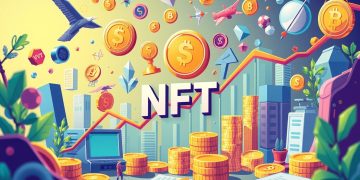
The Rise of NFTs and Their Role in the Digital Economy

The emergence of non-fungible tokens (NFTs) is reshaping the digital economy, transforming creativity, ownership, and investment. These unique digital assets empower artists, musicians, and gamers while introducing new financial opportunities. However, challenges like volatility and copyright issues warrant careful navigation as the NFT landscape evolves.

The Evolution of Digital Privacy in a Connected World

In a connected world, digital privacy is crucial as personal data constantly circulates. The rise of smart devices and regulations like GDPR and CCPA highlights the need for robust data protection. By fostering public awareness and adopting proactive privacy measures, we can secure individual rights in an evolving digital landscape.

The Future of Work: How Digital Platforms Are Transforming the Labor Market

Digital platforms are reshaping the labor market by offering increased flexibility, diverse job opportunities, and the rise of the gig economy. While workers benefit from adaptable schedules and income diversity, challenges like job security and worker protections persist. Balancing innovation with fairness will be essential for navigating this evolving landscape.

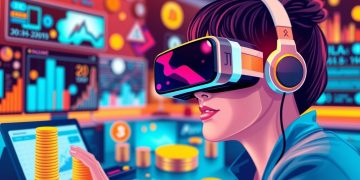
Trends in Augmented and Virtual Reality for the Future of Entertainment

The entertainment landscape is evolving with augmented reality (AR) and virtual reality (VR) technologies, transforming gaming, storytelling, and social interactions. These immersive experiences enhance accessibility and education while empowering creators, fostering a future rich in dynamic, engaging content that bridges the gap between physical and digital realities.

Cybersecurity in Times of Crisis: Challenges and Solutions for Businesses and Consumers

In times of crisis, cybersecurity risks for businesses and consumers increase significantly due to remote work and rising cybercrime. Proactive measures, including multi-factor authentication, regular training, and strong privacy practices, are vital for mitigating threats and enhancing digital safety, ensuring both security and resilience in a challenging landscape.