The Influence of Virtual Communication on Pop Culture and the Entertainment Industry
Understanding the Transformation of Communication in Pop Culture
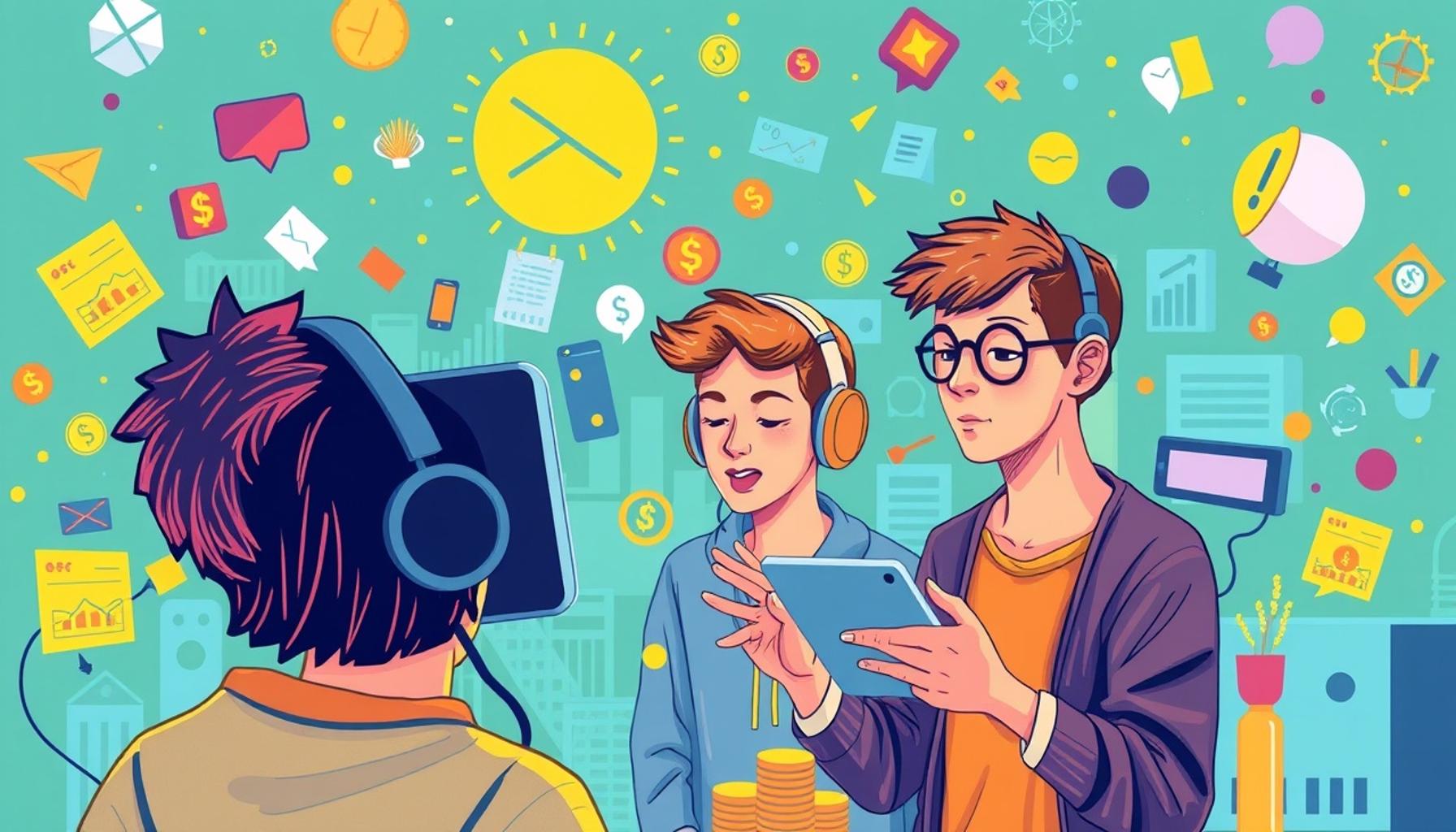
In recent years, the rise of virtual communication has profoundly reshaped the way we interact, share ideas, and consume media. As technology advances, especially with the rapid adoption of smartphones and high-speed internet, the influence on pop culture and the entertainment industry has become unmistakable. This transformation not only alters how we communicate but also impacts the dynamics of creativity and audience engagement.
Social Media Platforms
Social media platforms such as Instagram, TikTok, and Twitter have emerged as vital tools for artists and entertainers aiming to connect with their audiences. A musician can now share a snippet of a new song on TikTok, which can quickly become a viral sensation, propelling them to new heights of popularity overnight. For instance, the song “Savage Love” by Jawsh 685 and Jason Derulo became a massive hit largely due to its association with TikTok dance challenges, showcasing the platform’s power in defining music trends.
Streaming Services
Meanwhile, streaming services like Netflix and Hulu have revolutionized viewer behavior, shifting it towards binge-watching. People no longer adhere to traditional broadcasting schedules; instead, they consume entire seasons of shows in one sitting. This change not only enhances viewer engagement but also allows creators to craft longer, more intricate storytelling arcs, as seen in shows like “Stranger Things” and “The Queen’s Gambit,” which have gained enormous popularity and critical acclaim through this model.
Virtual Events
The concept of virtual events has also taken center stage during the pandemic, with online concerts and virtual film festivals redefining live entertainment. Artists have utilized platforms like YouTube and socially-distanced live streams to reach fans globally. For example, Travis Scott’s Fortnite concert attracted millions of viewers, merging gaming with live music and demonstrating innovative ways to deliver experiences virtually.
Cultural Phenomena: Memes and Collaborations
As a result of these changes, we see new trends emerging, such as the proliferation of memes and viral content. A single meme has the power to launch an unknown artist into viral fame almost instantaneously. Additionally, collaborations across borders have become more feasible. With artists from different countries collaborating in real-time, we see remarkable cross-cultural musical blends, such as the collaborations between Latin artists and mainstream pop musicians that have dominated charts worldwide.
The Rise of Influencer Culture
Lastly, the rise of influencer culture cannot be overlooked. Social media influencers have become pivotal figures in marketing, often shaping trends and influencing consumer choices. Brands seek endorsements from personalities on platforms like Instagram and TikTok, which can lead to direct impact on their sales and visibility. This is evident in the beauty industry, where influencers frequently debut new products that quickly gain traction through social media buzz.
Overall, the evolution of communication has created a dynamic landscape in pop culture and entertainment, offering both challenges and opportunities for artists and audiences alike. As we delve deeper into these impacts in further sections, it becomes essential to recognize the ongoing transformations and how they will shape the future of interaction and creativity in the entertainment space.
DISCOVER MORE: Click here to learn how to apply
Transforming Engagement Through Digital Connectivity
The shift towards virtual communication has fundamentally altered how entertainment content is created, consumed, and marketed. This change has established a new framework for engagement between artists and their audiences, fostering a sense of community and immediacy. In this evolving ecosystem, several key themes emerge, each significantly influencing the landscape of pop culture and the entertainment industry.
The Role of Audience Interaction
One of the most notable impacts of virtual communication is the increased interaction between artists and fans. This direct line of communication allows for real-time feedback and connection, which was virtually non-existent in previous generations. For example, live Q&A sessions on platforms like Instagram Live or Facebook Live enable fans to interact with their favorite celebrities instantly, asking questions and getting personal insights into their lives and work. This immediacy not only humanizes the artist but also builds a loyal, invested fanbase.
Influence on Content Creation
As artists recognize the value of audience input, many are now shifting their content creation strategies accordingly. Platforms like TikTok encourage participation by allowing users to react, remix, and create their own versions of popular trends. For instance, the “Renegade” dance challenge showcased how a viral challenge could create opportunities for lesser-known dancers to gain recognition and even lead to professional opportunities. This phenomenon indicates a shift from top-down content production to a more collaborative model where audiences play an active role in shaping popular culture.
Algorithmic Influence and Discoverability
The algorithms that power social media and streaming services significantly influence which artists or content gain visibility. Algorithmic curation personalizes the user experience, tailoring recommendations based on individual preferences and viewing habits. For instance, when a user engages with a certain genre of music or a particular film, the platform will likely promote more similar content. This can result in a feedback loop, where the rise of specific artists or genres is accelerated due to their visibility on these platforms.
Digital Platforms and Diversity of Voices
Moreover, virtual communication has offered a platform for diversity, enabling underrepresented groups to voice their stories and creativity. With the advent of platforms like YouTube and podcasts, marginalized individuals have opportunities to produce content that resonates with their communities. This shift has enriched the entertainment landscape with varied narratives and perspectives. For instance, platforms that highlight Black creators’ voices, such as Blavity, have played a crucial role in bringing culturally relevant content to the forefront, fostering a richer and more inclusive pop culture environment.
The Balancing Act: Authenticity and Branding
While virtual communication opens doors, it also presents challenges for artists, particularly in striking a balance between authenticity and branding. Audiences today are attuned to genuine content, often rejecting overly polished or insincere portrayals. Brands that partner with influencers are increasingly seeking to connect with authentic voices that resonate with their target demographics. Thus, navigating this terrain becomes critical for artists trying to maintain their original artistic identity while also satisfying commercial interests.
In summary, the transformation of communication through digital means has created a dynamic interplay between artists and audiences. By redefining engagement, encouraging diverse voices, and influencing content creation, virtual communication continues to reshape the fabric of pop culture and the entertainment industry, setting the stage for new trends and future innovations.
DON’T MISS OUT: Click here to learn effective debt negotiation strategies
The Emergence of New Trends and Formats
As virtual communication continues to reshape the entertainment landscape, it contributes significantly to the emergence of new trends and formats. This evolution is not only changing how content is delivered but also how it is experienced by audiences across different platforms.
Short-Form Content Revolution
One of the most noticeable shifts has been toward short-form content. Platforms like TikTok, Instagram Reels, and YouTube Shorts have gained immense popularity, allowing creators to share concise, engaging clips that captivate attention quickly. This format caters to the increasingly short attention spans of consumers, particularly younger audiences who favor quick consumption. As a result, traditional media outlets and older content formats are adapting, with even television networks exploring shorter episodes or mini-series to engage viewers effectively. For instance, shows like “High Fidelity” adapted a format that allows for bite-sized storytelling, reflecting the changing preferences of the audience.
The Rise of Streaming and On-Demand Services
The rise of streaming services has undoubtedly changed the entertainment game. With platforms such as Netflix, Hulu, and Disney+ at the forefront, audiences have greater control over how and when they watch content. Viewers can binge-watch entire seasons of their favorite shows or discover hidden gems in the catalogue. This accessibility to a vast array of content not only influences consumer behavior but also affects the production model in Hollywood, pushing creators to embrace serialization and cliffhanger storytelling to keep audiences engaged and returning for more.
Virtual Events and Interactive Experiences
Virtual communication has also paved the way for innovative events that connect fans and artists in exciting new ways. Virtual concerts, film festivals, and interactive experiences have gained traction, enabling fans to participate from anywhere around the globe. For example, platforms like Second Life and Fortnite have hosted concerts featuring prominent artists such as Travis Scott and Ariana Grande, attracting millions of viewers. These events transcend geographical barriers, offering fans unique environments to interact with their favorite artists and fellow fans simultaneously. The success of these digital gatherings suggests that virtual events are here to stay, supplementing traditional formats and possibly redefining what it means to attend a concert or a film screening.
Gamification and the Integration of Play
The concept of gamification in virtual communication has also gained momentum in the entertainment industry. Creator-driven content is increasingly incorporating game-like elements that encourage audience participation. This trend is visible in shows that invite voters to influence plot outcomes in real-time or interactive series like “Bandersnatch,” where viewers navigate choices that alter the storyline. Such participatory functions create a deeper bond between creators and audiences, as fans feel invested in the narratives they help shape.
The Impact of Influencer Culture
Influencer culture is another significant outcome of virtual communication that shapes pop culture. Social media influencers have become the new celebrities, often wielding substantial sway over consumer behavior. Their endorsements can impact trends and popularize new music, fashion, or products overnight. For instance, when prominent TikTok influencers showcase a particular dance or song, it can lead to viral fame for that content. Brands are increasingly collaborating with influencers to reach niche markets, leading to new advertising strategies that capitalize on authentic connections. The intersection of influencer culture and traditional celebrity has blurred lines and offered diverse promotional avenues in the entertainment industry.
Overall, the continuous evolution of virtual communication is not just transforming how entertainers interact with their audiences; it is also redefining entertainment formats and experiences, leading to an enriched and diverse cultural landscape.
DIVE DEEPER: Click here to learn how to curb impulsive spending
Conclusion
In summary, the influence of virtual communication on pop culture and the entertainment industry is profound and multifaceted. The integration of technology into daily life has not only changed how we consume entertainment but has also created dynamic platforms for content creation and interaction. As audiences gravitate towards short-form content, demand for streaming services, and innovative virtual events, traditional media continue to adapt, reflecting the shifting preferences of consumers.
The rise of influencer culture has further revolutionized promotional strategies, with social media stars setting trends at an unprecedented pace. This environment fosters a culture of collaboration and accessibility, where viewers interact with their favorite content in new, engaging ways. Moreover, gamification and interactive storytelling have led to enriched experiences where audiences not only consume material but also participate in shaping narratives.
Looking ahead, it is clear that virtual communication will remain a key player in the ongoing evolution of entertainment. As technology develops, the opportunities for exploring innovative formats, fostering community, and connecting artists with fans will only expand. The entertainment industry’s ability to adapt and embrace these changes will ultimately determine its relevance and ability to resonate within a fast-evolving cultural landscape. In a world where connections are increasingly virtual, the potential for creative expression and community engagement is limitless.

Linda Carter
Linda Carter is a writer and expert known for producing clear, engaging, and easy-to-understand content. With solid experience guiding people in achieving their goals, she shares valuable insights and practical guidance. Her mission is to support readers in making informed choices and achieving significant progress.