The Rise of NFTs and Their Role in the Digital Economy
The Rise of Non-Fungible Tokens
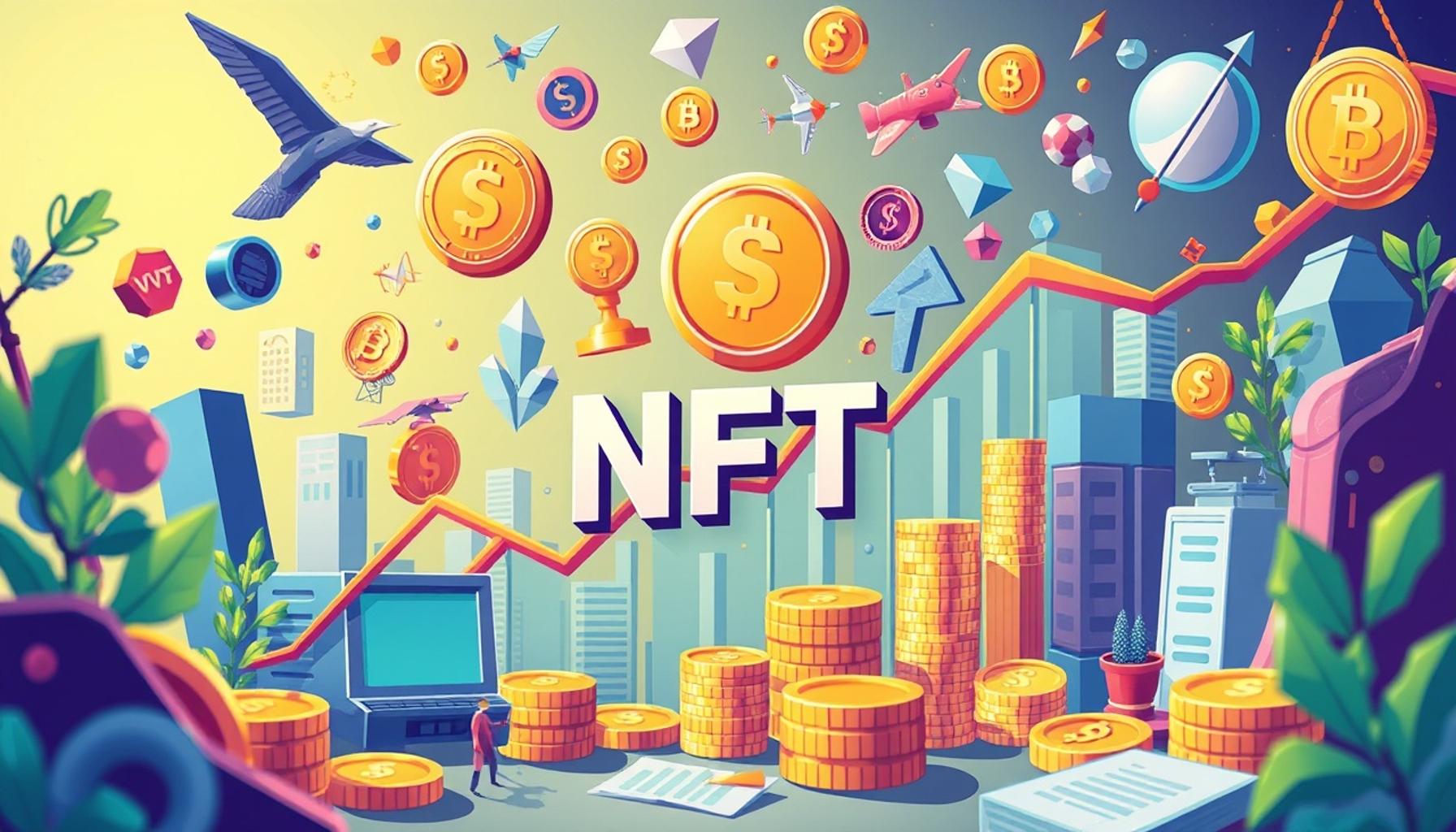
The digital landscape is evolving rapidly, bringing forth new avenues for creativity and commerce. One of the most remarkable innovations in recent years is the emergence of Non-Fungible Tokens (NFTs). These unique digital assets are transforming how we think about ownership, art, and investment in the online realm.
At their core, NFTs are built on blockchain technology and represent ownership of a specific item or piece of content. Their distinctive features include:
- Uniqueness: Unlike cryptocurrencies such as Bitcoin, which are identical and can be exchanged for one another, each NFT has unique attributes that set it apart from any other token. For instance, a digital artwork sold as an NFT may include specific details, metadata, or even ownership history, making it one-of-a-kind.
- Indivisibility: Unlike standard cryptocurrencies that can be divided into smaller denominations, NFTs cannot be broken down. If you purchase an NFT representing a digital painting, you own the entire piece. This quality enhances its value and exclusivity.
- Ownership Verification: The use of blockchain ensures transparent ownership records, which are publicly verifiable. This makes it difficult for anyone to dispute ownership, adding a layer of security for buyers and sellers alike.
These characteristics have made NFTs a popular choice in various sectors, including:
- Art: Digital artists can sell their creations directly to collectors without the need for galleries or intermediaries. For example, artist Beeple sold his digital collage “Everydays: The First 5000 Days” as an NFT for a staggering $69 million, demonstrating the potential financial rewards for creators.
- Gaming: In the gaming industry, players can own in-game assets that hold real-world value. Examples include virtual land in games like Decentraland or unique skins for characters in games like Fortnite. Players can buy, sell, or trade these assets, creating a new economy around gaming.
- Music: Musicians can tokenize their work and receive royalties directly from fans. NFTs allow artists like Grimes and Kings of Leon to sell exclusive music tracks, concert tickets, or even limited-edition album artwork directly to fans, bypassing traditional music distribution channels.
As we delve deeper into the rise of NFTs, we will explore their implications for the digital economy, understanding both opportunities and challenges they present. For example, while NFTs open exciting new income streams for creators, they also raise questions about copyright, environmental impact due to energy consumption in blockchain networks, and market volatility. Consequently, it is essential for participants in the NFT space to stay informed and navigate these complexities wisely.
DISCOVER MORE: Click here to learn about protecting your investments
The Impact of NFTs on Creative Industries
The surge in popularity of NFTs has sparked a transformative wave across various creative industries, changing how artists, musicians, and game developers generate revenue and interact with their audiences. As these unique digital assets gain traction, it is vital to examine their profound implications for creators and consumers alike.
In the art world, NFTs have opened doors for artists who previously struggled to monetize their work effectively. By selling their digital creations directly as NFTs, artists are empowered to cut out intermediaries like galleries and auction houses that often take a significant commission. This direct-to-consumer model allows artists to reap a higher percentage of the sale price, encouraging a new generation of creators to experiment with digital art forms. Additionally, NFTs often include smart contracts that automatically grant artists a percentage of future sales. This means that if the NFT is resold, the creator can continue to benefit financially from their work, an aspect unheard of in traditional art sales.
The music industry is also witnessing a shift as musicians embrace NFTs to establish a deeper connection with their fan base. Artists can tokenize their music, allowing fans to purchase unique items such as limited-edition songs, exclusive concert tickets, or even personalized messages. This new engagement model empowers musicians to foster loyalty and support from their audience while retaining a greater share of the profits. For instance, the band Kings of Leon made headlines when they released an album as an NFT, offering fans exclusive access to special album artwork and front-row concert tickets. This innovative approach not only offers a unique experience for fans but also showcases the potential for musicians to generate alternative revenue streams beyond traditional album sales and streaming royalties.
In the realm of gaming, NFTs bring revolutionary opportunities for players to engage with their favorite virtual worlds. Traditional gaming typically restricts players’ ownership of in-game assets, meaning items can disappear if the game shuts down or if the player ceases to participate. By integrating NFTs, players can actually own their in-game assets, such as skins, weapons, or virtual properties, and trade them with others in a transparent marketplace. Games like Axie Infinity and Decentraland have pioneered this movement, allowing players to earn real income by participating in a digital economy. This model not only entertains but also engages players in a financial ecosystem where they can invest, trade, and potentially profit from their gameplay.
Nevertheless, the rise of NFTs also raises important questions that stakeholders must consider. As more creators explore this new paradigm, they must navigate complexities related to copyright issues, the environmental impact of blockchain technology, and the inherent volatility of the NFT market. For instance, the energy usage of blockchain platforms has drawn criticism for its environmental footprint, urging the industry to contemplate more sustainable practices. Understanding these challenges is crucial for anyone looking to participate in the NFT space, ensuring they can make informed decisions while embracing the opportunities this innovative technology provides.
DISCOVER MORE: Click here
The Economic Implications of NFTs
The emergence of NFTs extends beyond creative industries, reaching into broader economic implications that shape the digital landscape. As these digital assets gain prominence, they impact various sectors, influencing investment opportunities, market dynamics, and even traditional financial systems.
One of the most notable aspects of NFTs is their ability to create new investment avenues. Unlike conventional stocks or bonds, NFTs offer a unique asset class that appeals to investors looking for diversification. High-profile sales, such as Beeple’s digital artwork that fetched $69 million, have drawn attention to NFTs as potential high-return investments. This phenomenon has attracted both seasoned investors and newcomers alike, eager to capitalize on this emerging market. Platforms such as OpenSea and Rarible now allow anyone to buy, sell, and trade NFTs, democratizing access to investment opportunities that were previously limited to the wealthy elite or specific collector circles.
The advent of NFTs is also shifting market dynamics by introducing innovative ways to value and trade assets. Unlike traditional markets that often rely on physical characteristics of items, NFTs are categorized by their rarity, utility, and demand among collectors. This shift changes how value is perceived; instead of focusing solely on aesthetics, potential buyers consider factors like the creator’s reputation and emotional resonance to the community. For example, a tweet from Twitter’s CEO Jack Dorsey sold as an NFT for $2.9 million, illustrating that digital items can hold significant value based on their cultural relevance, context, and engagement rather than their physical characteristics.
Furthermore, NFTs are extending their influence into the world of decentralized finance (DeFi). These digital assets can be utilized as collateral for loans, allowing holders to leverage their NFTs to access liquidity without selling their assets. This integration provides NFT holders with more financial options while promoting a vibrant secondary market. An example of this is platforms like NFTfi, where users can borrow against their NFT holdings, enabling them to meet financial needs while retaining ownership of their digital collectibles. This development showcases how NFTs can enhance financial fluidity, making them an integral part of the digital economy.
However, the NFT space is not without its challenges and risks. Speculative purchasing can lead to volatility in prices, challenging the stability of the NFT market. As buyers navigate this unpredictable landscape, it’s crucial to approach investments in NFTs with caution and thorough research. Additionally, the influx of new participants raises concerns about digital asset fraud and copyright infringement, prompting the need for stronger regulatory frameworks to protect both creators and investors.
As NFTs continue to evolve, they stand on the cusp of redefining ownership and value in a digital context. By empowering creators, transforming market dynamics, and presenting novel financial opportunities, NFTs are not just a passing trend but a critical component of the reshaping digital economy. As this landscape develops, stakeholders must embrace the advancements while also advocating for responsible practices that safeguard the integrity of the NFT ecosystem.
LEARN MORE: Click here to discover the effects of inflation on your budget
Conclusion
In summary, the rise of NFTs marks a significant turning point in the digital economy, intertwining art, technology, and finance in a way that has never been seen before. As these digital tokens revolutionize the concept of ownership, they empower creators by enabling direct monetization of their work and granting them greater control over their intellectual property. Furthermore, NFTs are reshaping investment landscapes, providing novel opportunities for both experienced and novice investors to diversify their portfolios with digital assets.
As we look ahead, it is essential to recognize that the implications of NFTs extend beyond mere ownership and transactions. They foster a new culture of value based on rarity, creator identity, and community engagement—challenges that will require careful consideration as the market matures. The integration of NFTs into decentralized finance highlights their potential to enhance liquidity and create new financial products, propelling the digital economy into uncharted territories.
However, as with any emerging market, accompanying challenges such as price volatility, fraud, and the need for robust regulatory frameworks cannot be overlooked. Stakeholders—creators, investors, and policymakers alike—must adopt responsible practices to ensure the healthy growth of the NFT ecosystem. Only by striking a balance between innovation and caution can we harness the full potential of NFTs, setting the stage for a digitized economy that is inclusive, sustainable, and reflective of our evolving relationship with technology.
As we venture further into this exciting frontier, continued dialogue and education will be key to navigating the complexities and possibilities presented by NFTs in the digital age.

Linda Carter
Linda Carter is a writer and expert known for producing clear, engaging, and easy-to-understand content. With solid experience guiding people in achieving their goals, she shares valuable insights and practical guidance. Her mission is to support readers in making informed choices and achieving significant progress.